








About Us
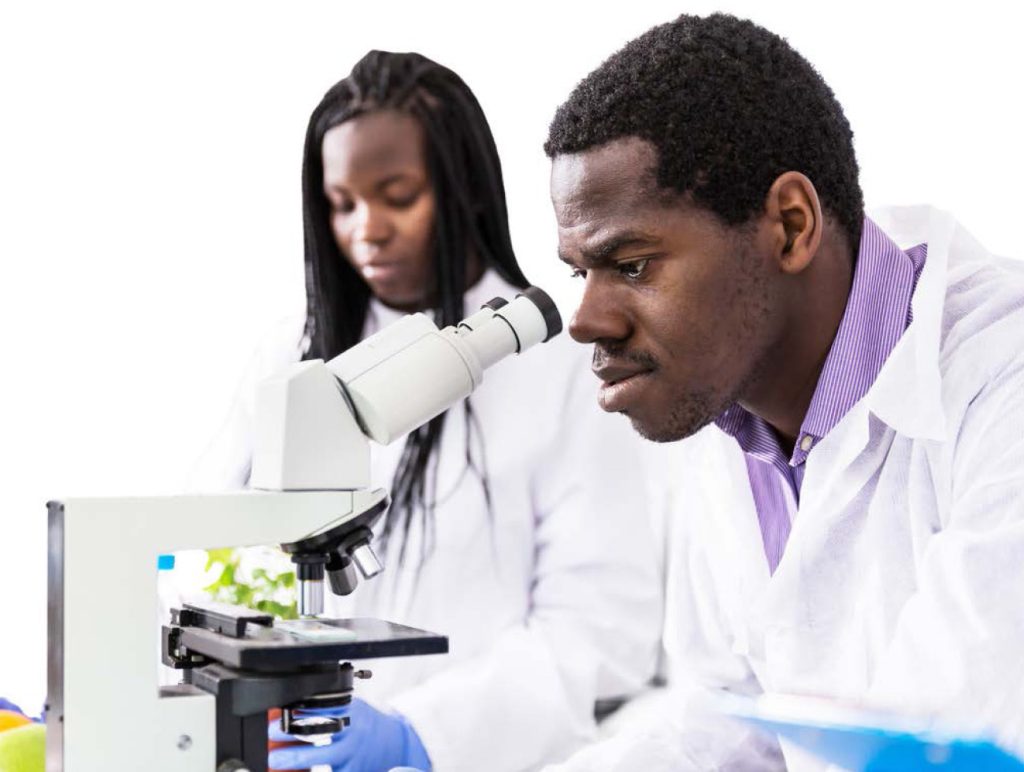
The National Health Laboratory Service’s (NHLS) Institute for Occupational Health (NIOH), is recognised internationally for excellence in research, services and training to support occupational health services not only in South Africa but also in Southern Africa through its extensive outreach activities and collaborations.
NIOH Research
 The NIOH has an established research record for more than 60 years. Historically, our research focused on mineral particles and the health of miners; the focus has since expanded to include diverse topics and research programmes.
Public Health Bulletin SA
The Public Health Bulletin is a publication which provides information on surveillance activities, which enables effective monitoring of rates and distribution of diseases, detection of outbreaks, monitoring of interventions, and predicting emerging hazards.
Educational Video Resources
Debunking Handwashing Myths: World Hand Hygiene Day
What you need to know about donning & doffing surgical masks
What employers need to know about risk assessment
Know the 3 C’s and 3 W’s: Prevention during the Winter Season
What you need to know about surgical masks
Frequently Asked Questions (FAQs)
A: No. Some viruses, retroviruses like HIV, are inserted into the host genetic material and can cause mutations. The genetic material of SARS-CoV2 is not inserted and the vaccines will also not result in genetic manipulation.
A: These vaccines are designed to activate the immune system. This can produce temporary side effects. This includes injection site pain, low grade fever, rash, muscle aches. In the large scale studies, these were reported by the participants generally as mild and lasted for a few days only. There have been reports of severe allergic responses to some but not all vaccines. These are extremely uncommon (approximately 0.001% of participants) and have not be conclusively linked to the vaccine. Importantly, side-effects are more likely to occur after the second dose of the vaccine.
A: Clotting is increased in individuals who are inflamed and for this reason any immunological challenge may increase the risk of clotting (including the vaccine) however, the risk of clotting does not appear very high and the risk of abnormal clots with severe COVID-19 are very high indeed. It is therefore better to take the vaccine risk than the risk of severe disease.
A: There is limited data available on the effect on pregnancy. Most vaccines have, however, been effective in pregnant women. Because of the risk of severe SARS-CoV2 infection in pregnant women, the WHO has recently reversed its decision not to recommend vaccination of pregnant women and many countries are now actively vaccinating women in the 2nd and 3rd trimester (www.who.int)
A: A number of individuals are on drugs which may suppress the immune response. This includes corticosteroids. Although there is no current indication that this affects the efficacy of the vaccine this remains something to monitor. Currently, pain medication (like non-steroidal anti-inflammatory drugs) are being used in vaccinated individuals who present with side-effects like injection site pain.
A: If you are pregnant or breastfeeding
If you have a condition that effects the immune system e.g. if you have HIV or cancer
If you have had an allergic response in the past to vaccination
If you are susceptible to bleeding
If you have any symptoms of active SARS-CoV2 infection or a fever
If you have received another vaccine for SARS-CoV2